

Give the conversation a useful destination

“Be more proactive” can sound decisive in a manager’s head and remain a mystery to the person receiving it. Proactive about what, in which situation, and with what authority? Useful feedback gives a colleague something they can recognise and change. Start by deciding what you want them to do differently at the next relevant opportunity.
Keep the purpose proportionate. You may want an earlier warning about a delivery risk, a clearer recommendation in a meeting or a more complete handover. Those are different conversations. Write one sentence describing the desired behaviour before arranging the discussion. If you cannot explain it plainly, preparation is still needed.
Separate the observation from the story

Record what you actually saw or heard. “The report arrived on Thursday, after Tuesday’s agreed deadline” is an observation. “You do not care about the team” is an interpretation. The first creates a shared point to examine; the second makes someone defend their character.
Check the expected standard too. Was the deadline agreed? Did the colleague understand what a complete report included? Had priorities changed? A manager’s disappointment does not automatically establish that an expectation was clear. Prepare examples, but leave room for information you do not yet have.
- What happened, and when?
- What expectation had been communicated?
- What practical effect did the behaviour have?
- What do you need to understand from the colleague?
- What would a useful next attempt look like?
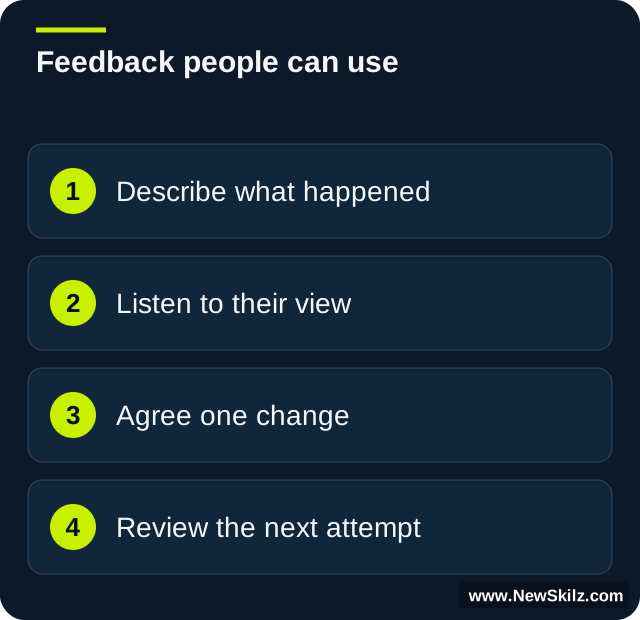
Open directly, then listen
An illustrative example: a team leader repeatedly discovers a delivery delay during the weekly stakeholder meeting. The colleague has known about the risk for two days. A useful opening might be: “I want us to agree how you flag delivery risks. On the last two jobs, I first heard about the delay in the stakeholder meeting. That left us answering questions before we had checked our options. Talk me through how you decided when to raise it.”
The question matters. The colleague might be waiting until a problem is certain, trying to solve it independently or unsure which risks deserve escalation. Listen long enough to distinguish those explanations. Ask a follow-up rather than rushing to repeat your original point. Understanding the reason helps you agree an action that fits the situation.
Describe impact accurately. Explain the extra work or lost preparation time you observed. Avoid turning one incident into “always” or attaching motives you cannot establish. If the colleague disputes the example, examine the facts before insisting on your interpretation.
Build an agreement both people can explain

“Communicate better” is a theme, not an agreement. Make the action observable, realistic and connected to the role. For this example, the colleague could flag a likely delay when it threatens an agreed delivery date, provide the current facts and suggest the next investigation step. The manager could confirm where to send the warning and how quickly they will respond.
Use a short record: When this situation occurs, I will do this, through this channel. You will provide this support. We will review it at this point. Ask the colleague to explain the agreement in their own words. This checks shared understanding without turning the conversation into a quiz.
Where expectations or consequences require a formal process, use the organisation’s approved procedure and relevant support. Use these practical steps to make the conversation clear, specific and constructive.
Review the next attempt, not just the intention

Choose a sensible review point tied to actual work: the next delivery cycle, a scheduled one-to-one or the next stakeholder update. Ask what happened, what was easier and what still got in the way. Recognise the specific change you observed. If the action did not happen, investigate the barrier and restate the expectation rather than treating the original conversation as finished.
For leadership practice, bring real role expectations and suitably anonymised examples. NewSkilz shapes role plays around the conversations your managers face, observe how they give feedback and help them test a clearer second attempt. The useful skill is a conversation they can apply, with a follow-up they know how to run.
Make it relevant to your team.

Use your goals, roles and real situations to choose the next useful step.