

Define the result rather than every movement

Delegation becomes frustrating when the manager thinks an outcome has been handed over and the colleague thinks they have received a list of instructions. Clarify the result the work needs to produce, the standards it must meet and why it matters. That gives the colleague a reference point for choices made along the way.
Choose a task appropriate to the colleague’s role, experience and current capacity. Delegating a complex piece of work without the information or support needed does not create meaningful ownership. Equally, specifying every small movement can prevent an experienced colleague from using their judgement.
Agree what the colleague can decide

Separate ownership of the work from authority over every decision. A coordinator might own preparation of a workshop while the manager retains approval of changes to its scope. A team member might choose a work sequence but need permission to involve another department. Make those boundaries explicit at the beginning.
Discuss the situations that require a check or escalation. “Keep me informed” is too broad. Explain what information you need, how it should reach you and when a decision must return to you. The colleague should not have to infer the boundary from your reaction after they act.
- Outcome: what completed work must enable or contain.
- Scope: what is included and what is outside this task.
- Authority: decisions the colleague can make and approvals required.
- Support: people, information and resources available.
- Review: check-in points and escalation triggers.
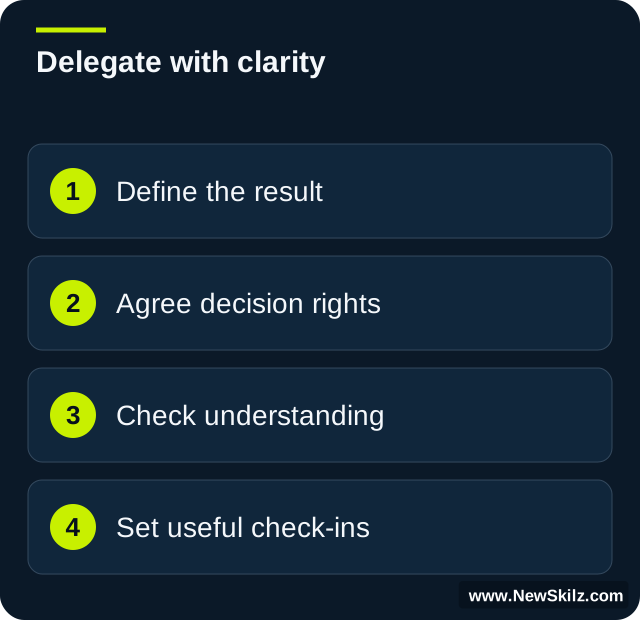
Use a concrete brief and check understanding
In an illustrative situation, a manager delegates the preparation of a cross-team workshop. A weak brief is “Sort out the workshop for next month.” A clearer brief asks for a confirmed participant list, facilitator availability, approved materials and joining information by agreed dates. It explains that the manager approves any change to the learning objectives.
Ask the colleague to describe how they will approach the work and which dependencies need checking first. This is an opportunity to notice a missing contact, competing deadline or unclear approval. Supply essential context and listen to their proposed plan before adding your own method.
A useful question is “What might prevent you from delivering this result, and what support would help?” The answer may reveal a capacity problem rather than a skill problem. Adjust the brief or resources openly. Ownership is easier to sustain when the plan reflects the actual conditions.
Make check-ins support the work

Agree check-ins that fit the risk and experience involved. An unfamiliar task may benefit from an early review of the approach. A routine task may need only a milestone update. The point is to identify problems while options remain available, rather than to watch every action.
During a check-in, ask about progress against the outcome, emerging risks and decisions needed. If the colleague raises a problem, invite their assessment and recommendation. Where you need to direct, state the reason and leave the remaining ownership clear.
Be alert to taking the task back inadvertently. Editing the entire plan yourself may solve the immediate issue but blur who now owns the next action. If ownership changes, say so. If it remains with the colleague, specify the support you are providing and what they will do afterwards.
Close the task and learn from the handover

Review the completed result against the original brief. Discuss what worked, which decisions were difficult and which information should have been supplied earlier. Recognise the colleague’s actual contribution rather than offering a vague “good job”. Capture a useful improvement for the next delegation.
Use a final ownership check: Who is responsible for the next action? What can they decide? What are they waiting for? When will the result be reviewed? If the answers are unclear, the task may still be circulating between people rather than sitting with an owner.
For tailored people skills for technology teams, bring tasks your managers genuinely delegate and the organisation’s approval expectations. NewSkilz shapes briefing and check-in role plays around those responsibilities. Managers can practise giving clear ownership while adjusting their support to the person, task and practical constraints.
Make it relevant to your team.
Use your goals, roles and real situations to choose the next useful step.