
A full onboarding calendar can still leave a new seller unsure what to say in a customer meeting. Product sessions, systems training and internal introductions all matter. The practice brief adds another question: what must this person be able to do with that knowledge in front of a buyer? Start there before selecting exercises.

Choose the conversations, not just the topics

Ask sales managers where new starters hesitate. An opening call, a price concern and a handoff to a Sales Engineer are different tasks. Naming them precisely helps you select useful practice instead of building a workshop around a broad title such as “communication skills”.
Consider the audience's experience as well as the role. A seller joining from another SaaS business may need to learn your proposition and buyers. A colleague moving into sales may also need practice in structuring a commercial conversation. The programme should reflect that difference without assuming that either person needs every topic taught again.
Make the client inputs explicit

Gather the approved playbook, selected product information, buyer context and examples of questions new starters face. Identify the owners who can confirm factual accuracy and acceptable claims. Keep product, security, implementation and commercial decisions with the people authorised to make them.
- Which buyer roles will new starters meet?
- What stage of a conversation will they own?
- Which capabilities and evidence may they explain?
- Which questions require another specialist?
- What information must pass into the next meeting?
Use selected, current material rather than sending an entire document store and expecting a facilitator to infer the priorities.
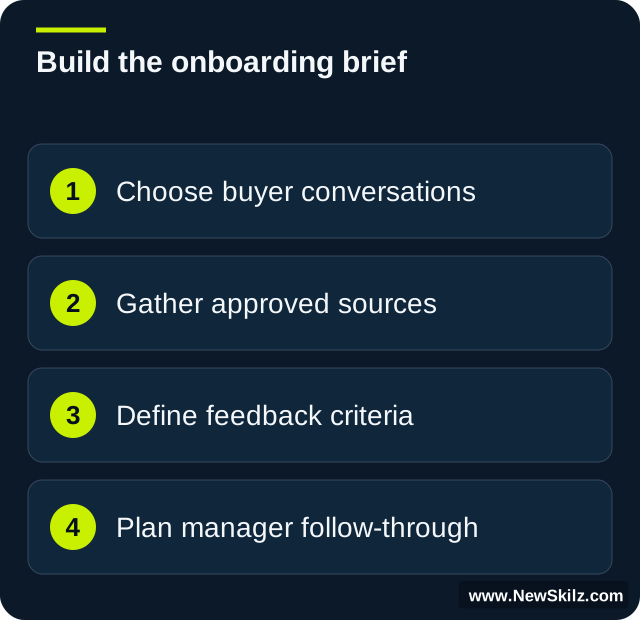
Define what a useful attempt looks like
Turn each priority into an observable action. “Understands discovery” is difficult to practise or review. “Asks a relevant follow-up, summarises the buyer's problem and checks the summary” gives the learner and coach something to work with.
Illustrative example: a SaaS team says new Account Executives jump into a feature explanation too early. The brief chooses a first-meeting scenario in which the buyer gives a vague complaint about reporting. Practice focuses on clarifying the task, exploring its effect and confirming the priority before using approved product information. The activity responds to this team's friction, rather than a generic sales-course agenda.
Agree the practice and follow-through

Decide who will play the buyer, who will observe and what feedback they will give. Select a small number of criteria for each attempt. Plan a second attempt so feedback becomes something the seller can test, rather than a list of advice they have to remember later.
- Identify a recognisable new-starter difficulty.
- Confirm the approved information needed for it.
- Write a plausible buyer situation and role task.
- Choose a few observable behaviours.
- Run an attempt, discuss focused feedback and try again.
- Agree how managers will reinforce the learning afterwards.
State which internal training the practice depends on. If the seller has not learned the relevant product content, resolve that preparation gap rather than expecting a simulation to supply factual knowledge.
Use a brief the manager can explain

Example onboarding brief
New Account Executives will practise a first discovery call using the approved sales playbook. Feedback will focus on follow-up questions, listening and summarising the buyer’s priorities. Technical questions will go to the Sales Engineer. Managers will review progress during weekly coaching.
Add cohort size, delivery format and practical preparation requirements during scoping. Agree the scenarios, facilitator guidance, handover and follow-up so everyone knows what the programme delivers.
NewSkilz builds a customer-conversation practice layer around the onboarding content you own. A strong discovery brief makes the tailoring visible: your people, their buyer situations, approved information and agreed feedback. The result is a clear design direction that both the sales owner and facilitator can use, with responsibilities that stay understandable as future cohorts join.
Make it relevant to your team.

Use your goals, roles and real situations to choose the next useful step.